
Why More Families Are Prioritizing Dental Practices With Cosmetic Solutions

You might be noticing something that feels small on the surface, yet keeps tugging at you. A child hesitant to smile in photos. A partner who covers their mouth when they laugh. Or maybe it is you, catching your reflection and thinking, “My teeth never used to look like this.” If so, exploring options like full mouth reconstruction Roseville MI could be a meaningful next step.
There is the “before” where everyone just went to the dentist to fix cavities and get cleanings. Then there is the “after” that more families are entering now, where they want healthy teeth, but they also want smiles that feel confident and natural. That shift is why more families are prioritizing dental practices with cosmetic solutions, and it is not about vanity. It is about comfort, confidence, and long term health.
So where does that leave you. You might be trying to figure out if it is worth finding a general and cosmetic dentist, what it might cost, and whether it is safe. You might also feel a little guilty for caring so much about appearances. You are not alone. Many families feel the same tension, and there is a calm, informed way through it.
Here is the short version. Families are choosing cosmetic options because they want their smiles to match how they feel on the inside. Modern cosmetic care is safer, more conservative, and more affordable than it used to be. The right practice can combine routine care with cosmetic dentistry, so you protect oral health while improving how your teeth look and feel.
Table of Contents
Why are families suddenly caring so much about cosmetic dental solutions
For a long time, dental visits were mostly about pain. You went in when something hurt or when you were overdue for a cleaning. Now, many parents are quietly noticing how teeth affect confidence at school, in job interviews, and on social media. A teen with crooked or stained teeth might avoid smiling. A parent with chipped or worn teeth might feel older than they are.
Because of this, families are not just asking “Are our teeth healthy.” They are also asking “Do our smiles help us feel like ourselves.” That is the deeper reason behind the rise of family focused cosmetic dentistry.
Consider a few common situations.
A teenager with white spots or staining from past braces feels embarrassed in photos. Parents worry it will affect their self esteem. They learn that gentle professional whitening, guided by a dentist, can safely brighten the teeth and soften the contrast of those spots. You can read more about safe whitening options from the American Dental Association in their resource on tooth whitening.
A parent in their forties has old fillings, some chipped edges, and a dark tooth from past trauma. They are not in pain, but every time they speak in a meeting, they think about it. A general and cosmetic dentist can suggest bonding, veneers, or crowns that protect the teeth and restore a natural look, at the same time.
A child has spacing or mild crowding. The family is unsure whether to wait, choose orthodontics, or use less invasive cosmetic options as the child grows. A practice that understands both general care and cosmetic choices can map out a clear plan, not just for today, but for the next five or ten years.
In each case, the problem is not just “ugly teeth.” It is the quiet stress that builds when someone feels they need to hide their smile. That emotional weight is often what finally pushes families to look for a dentist who offers thoughtful cosmetic solutions along with routine care.
What makes cosmetic dentistry feel confusing or stressful for families
Once you start exploring cosmetic options, a new set of worries often appears. You might wonder if whitening will damage enamel, if veneers are “too much,” or if you will be talked into expensive treatments you do not really need.
There are three common stress points.
1. Safety and long term impact
Parents especially worry about doing anything that could harm their child’s teeth. That concern is healthy. Many cosmetic treatments, when planned well, are conservative and protective. For example, bonding can repair chips with minimal removal of tooth structure. Professional whitening, done under supervision, is designed to reduce risk compared to random over the counter kits. Reputable sources like WebMD outline how cosmetic procedures such as veneers, bonding, and whitening are used and what to expect in terms of safety and results. You can explore those details in this overview of cosmetic dentistry procedures.
2. Cost and value
There is also the financial piece. Insurance often helps more with “necessary” care than cosmetic work, which can leave you wondering if you are being irresponsible by considering it. The truth is, there is a wide range of options. Some are small, like shaping a tooth or doing limited whitening. Others are more involved, like veneers or full smile makeovers. A good general and cosmetic dentist will walk through priorities with you, not push the most expensive plan.
3. Trust and overwhelm
Finally, there is the feeling of overwhelm when you hear words like bonding, veneers, inlays, and clear aligners. You might fear that saying “yes” to one thing will lead to a chain of treatments you never intended. That is why families are increasingly choosing practices that explain every step plainly, show visual examples, and offer phased plans instead of “all or nothing” options.
So how can you sort through what is truly helpful and what is just marketing.
Comparing cosmetic options with everyday choices
It often helps to compare cosmetic choices side by side. This can clarify what might fit your family’s needs right now and what can wait.
| Option | Typical Purpose | Longevity | Best For | Common Concerns |
| Professional Whitening | Lighten overall tooth color | 1 to 3 years with touch ups | Teeth that are healthy but discolored | Sensitivity, overuse of at home products |
| Bonding | Fix chips, small gaps, minor shape issues | 3 to 10 years depending on care | Teens and adults who want conservative changes | Can stain or chip more easily than porcelain |
| Porcelain Veneers | Change shape, color, and alignment appearance | 10 to 15 years or more with good care | Adults seeking a larger smile transformation | Higher cost, permanent change to tooth surface |
| Orthodontics / Clear Aligners | Straighten teeth and improve bite | Results can be long lasting with retainers | Children, teens, and adults with crowding or spacing | Time commitment, need for daily cooperation |
When a family chooses a dentist who offers both general care and cosmetic dentistry services, these choices do not happen in a vacuum. The dentist can balance cavity risk, gum health, growth patterns in children, and cosmetic goals, so you are not trading health for appearance.
Three practical steps to choose the right cosmetic focused dental practice
Once you know why cosmetic options matter to your family, the next question is simple. What can you do this week to move forward without feeling rushed or pressured.
1. Clarify what really bothers you about your or your child’s smile
Before you even contact a dentist, take a quiet moment and write down what you notice. Is it color. Shape. Crowding. A single tooth that draws attention. Also note how it affects daily life. Avoiding photos. Covering your mouth. Feeling anxious in social settings. This gives you a clear starting point so you can say, “Here is what we see, and here is how it feels.”
2. Look for a general and cosmetic dentist who explains, not just sells
When you explore websites or make a first call, pay attention to the tone. Do they talk about health and appearance together. Do they mention phased plans, conservative options, and long term maintenance. In a consultation, a trustworthy dentist will usually offer more than one path. For example, “We could start with whitening and bonding this year, then consider orthodontics later if needed.” You should feel informed and calm, not rushed into a single “perfect” solution.
3. Ask specific questions about safety, maintenance, and cost
During a visit, bring a short list of questions, such as:
What are the pros and cons of this treatment for my age or my child’s age.
How much natural tooth structure will you need to remove, if any.
How long should the result last, and what kind of care does it need at home.
What are the total costs, and are there simpler options that still help.
A thoughtful practice will welcome these questions. Their answers will help you see whether they are focused on quick cosmetic fixes or on steady, healthy improvements over time.
Moving toward a healthier, more confident family smile
Wanting a smile that looks good is not shallow. It is human. When you or your child feel comfortable smiling, it often spills over into social ease, career confidence, and daily happiness.
As more families choose practices that unite general care with cosmetic solutions, they are not chasing perfection. They are choosing to treat oral health and appearance as partners, not opposites. You can do the same, at your own pace and within your own budget.
You do not need to have every answer right now. Your next step can simply be to find a general and cosmetic dentist who listens, explains, and works with you to build a smile plan that fits real life. Over time, the goal is simple. Healthy teeth. Natural looking results. And a family that no longer feels the need to hide in photos.
 How Pediatric Dentists Protect Newly Erupted Molars During Orthodontic Treatment
  3 Key Advantages Of Sedation For Oral Surgery And Implants
  6 Tips For Maintaining Results After Cosmetic Dental Procedures
  4 Reasons Parents Prefer One Dentist For The Entire Family
  How General Dentists Evaluate Small Areas Of Gum Discoloration
 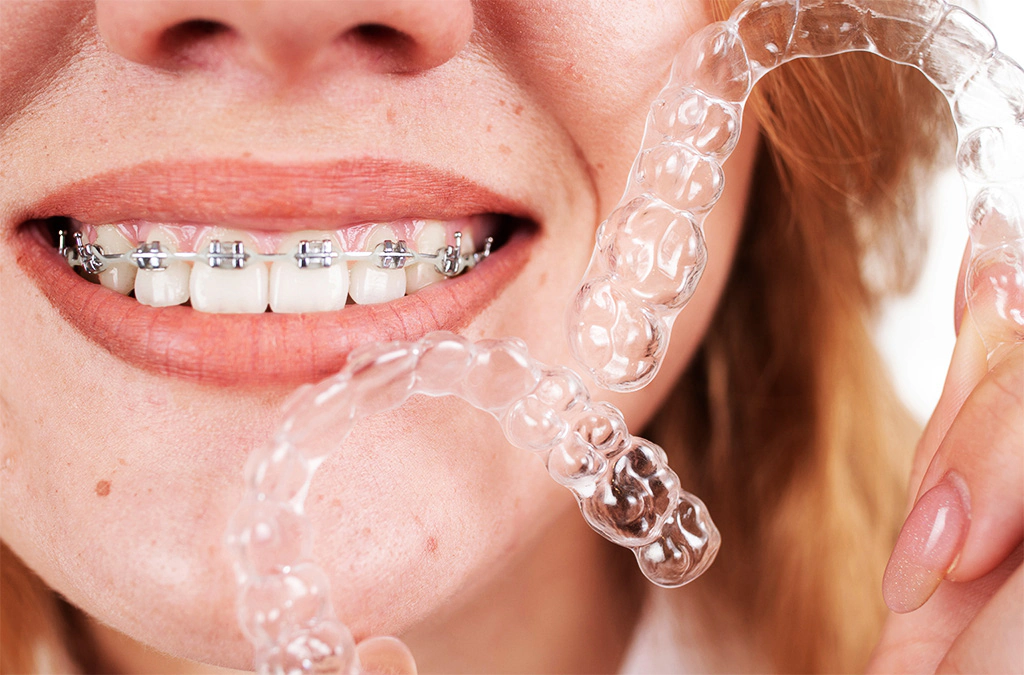 Straightening Your Smile: Invisalign vs. Traditional Braces
  Telehealth and Wellness Care in Carmel, IN: Making Personalized Care More Accessible
  How Different Slot Formats Create Different Playing Experiences
  Integrative Health and Stress Management for Mind-Body Care