
How Pediatric Dentists Protect Newly Erupted Molars During Orthodontic Treatment

You finally get braces or a space maintainer started, and then those first or second molars begin to break through. That stage can feel like a lot at once, especially for families exploring braces for kids in West Covina. Teeth are still erupting, brushing gets harder, food sticks everywhere, and the back teeth that just came in are suddenly expected to stay clean around wires, bands, or appliances. If you are worried those brand new molars are more likely to get cavities during treatment, you are seeing the risk clearly.
Newly erupted molars are some of the easiest teeth to damage and some of the hardest to clean well. Their chewing grooves are deep, enamel is still maturing after eruption, and children often cannot reach those back surfaces consistently, especially when orthodontic hardware is in the way. The good news is that a pediatric dentist and orthodontist can work together to lower that risk with timing, sealants, fluoride, appliance choices, and close follow-up.
Table of Contents
Newly Erupted Molars Face Higher Cavity Risk During Orthodontic Care
When a molar first erupts, it does not arrive in perfect, easy to clean condition. Part of the tooth may still sit under gum tissue, the grooves can trap plaque fast, and a child may chew on that side before they can brush it well. Add brackets, wires, expanders, or molar bands, and the cleaning challenge gets worse.
This is where molar protection during braces becomes more than a routine checkup issue. Plaque sits longer around orthodontic attachments. Saliva does not always wash those areas as well. If a child already snacks often or struggles with brushing at night, the risk builds quickly. Sometimes parents do everything they can at home and still feel like they are missing something, because the problem is not effort alone. Access matters.
Pediatric dentists watch for this eruption window closely because decay can start early in the pits and fissures of molars. According to the National Institute of Dental and Craniofacial Research, sealants are a proven way to protect the chewing surfaces of back teeth by sealing out food and bacteria. Their sealant guidance for families explains why these teeth are common targets for prevention.
Pediatric Dentists Use Early Prevention Before Damage Starts
The best protection usually starts before a cavity forms. A pediatric dentist looks at how far the molar has erupted, whether the chewing surface can stay dry enough for a sealant, and whether orthodontic appliances will block access. If the timing is right, sealants are often placed as soon as the grooves are reachable and isolation is possible. If a full sealant cannot be placed yet, fluoride varnish may be used until the tooth erupts more fully.
This matters because prevention is easier than repairing a molar around orthodontic hardware. A small cavity on a newly erupted molar can turn into a bigger problem fast if a band covers part of the tooth or if treatment plans need to be adjusted. What looked like a simple orthodontic visit can suddenly become a restorative appointment, added cost, and more time in the chair.
Protecting erupting molars in orthodontic treatment also means choosing the right attachment method. In some cases, bonded tubes may leave more tooth visible than full metal bands. In others, a band is still the better choice for strength or appliance design. The point is not that one option is always better. The point is that the tooth should be assessed as a tooth first, not just as an anchor for braces.
Coordinated Pediatric Dentistry and Orthodontics Reduces Hidden Risks
Children in orthodontic care benefit when both providers share the same prevention plan. That plan often includes sealants, fluoride exposure, home care coaching, diet review, and shorter recall intervals. A child with deep grooves, dry mouth, frequent snacking, or weak brushing technique may need more than standard six month visits.
Research on oral health prevention keeps showing the same pattern. Caries risk is not caused by one thing. It builds from plaque retention, diet, enamel vulnerability, and access to care. The clinical overview in this NCBI review on dental caries supports that broader view. During orthodontic treatment, several of those risk factors rise at the same time, which is why children often need tighter monitoring while molars erupt.
This is also where families feel the strain. More visits can mean more missed school, more scheduling pressure, and more expense. Still, a quick preventive visit is usually much easier than dealing with a cavity under or around an appliance. Prevention tends to cost less, hurt less, and interrupt treatment less.
Professional Prevention Offers More Protection Than Home Care Alone
| Approach | What It Helps With | Limits During Orthodontic Treatment |
| Careful brushing and flossing at home | Reduces daily plaque buildup around brackets and erupting molars | Often misses deep grooves and hard to reach back teeth |
| Fluoride toothpaste and mouthrinse | Strengthens enamel and lowers early decay risk | Does not physically seal pits and fissures |
| Sealants placed by a pediatric dentist | Protects molar grooves where cavities often begin | Needs proper eruption and dry isolation for placement |
| Orthodontic monitoring without pediatric dental follow up | Keeps tooth movement on track | May miss early decay, sealant needs, or enamel changes |
| Combined pediatric dentist and orthodontist care | Addresses tooth movement and cavity prevention together | Requires coordination and regular attendance |
Simple Steps Help You Protect New Molars Right Away
Schedule an eruption check as soon as back molars appear. Do not wait for a full tooth to be completely in if you can already see chewing grooves. A pediatric dental visit can determine whether fluoride, sealants, or extra cleaning support should start now or in the next few weeks.
Ask whether the orthodontic appliance leaves the molar protected or exposed. If a new molar is partly erupted near a band, wire, or expander, ask how that area will be cleaned and monitored. This is one of the most useful conversations you can have in pediatric dental care with orthodontics.
Make the home routine smaller and stricter. Night brushing matters most. Focus on the back chewing surfaces, use fluoride toothpaste, and cut down sticky snacks and frequent sipping on sweet drinks. Kids do better with a short, repeatable routine than a long one they resist every night.
Protecting New Molars Early Makes Orthodontic Treatment Easier
Newly erupted molars are vulnerable, and that vulnerability does not pause because braces have started. When a pediatric dentist and orthodontist plan around eruption timing, those back teeth get a better chance to stay healthy from the start. Sealants, fluoride, smart appliance decisions, and closer follow up can prevent a small problem from turning into treatment delays and extra repairs.
If your child has erupting molars and orthodontic treatment at the same time, ask for a coordinated prevention plan with a pediatric dentist and orthodontist. Early protection is often the simplest way to keep those new teeth strong.
 3 Key Advantages Of Sedation For Oral Surgery And Implants
  6 Tips For Maintaining Results After Cosmetic Dental Procedures
  4 Reasons Parents Prefer One Dentist For The Entire Family
  Why More Families Are Prioritizing Dental Practices With Cosmetic Solutions
  How General Dentists Evaluate Small Areas Of Gum Discoloration
 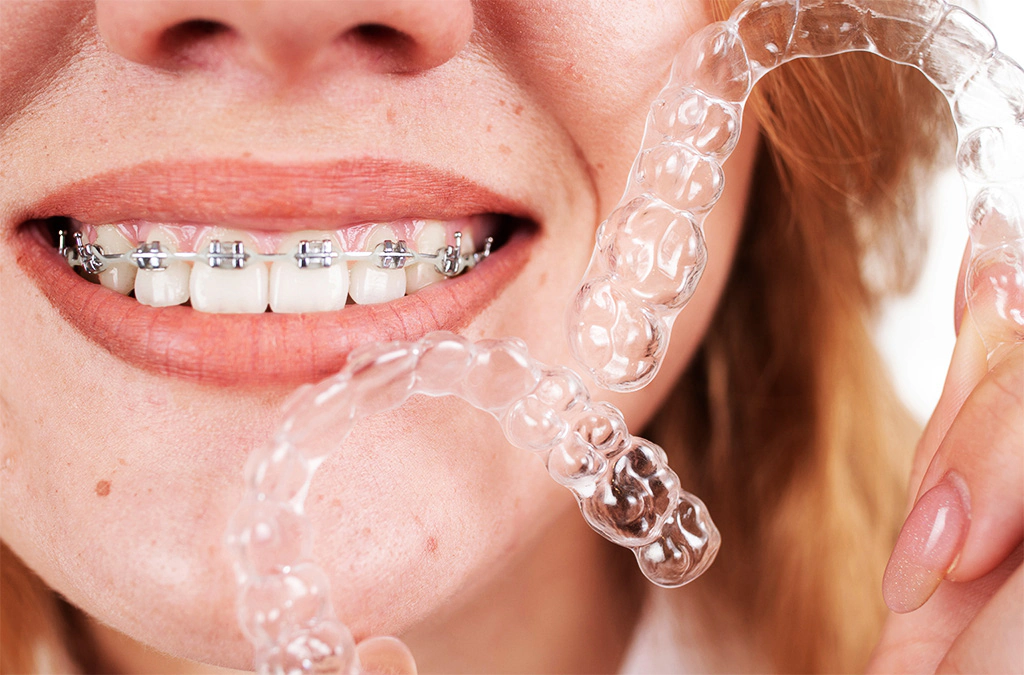 Straightening Your Smile: Invisalign vs. Traditional Braces
  Essential Equipment for Building a Capsule Production Line
  Engineering Reliable Silicone Tubing for Medical Devices
  4 Questions To Ask Your Dentist About Cosmetic Options For Older Adults