
Veganov Trichy: Revolutionizing Plant-Based Dining in South India
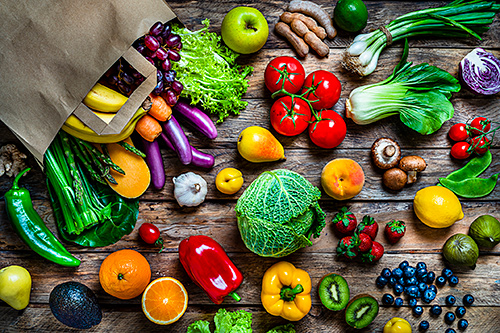
The rise of plant-based dining options across India has been nothing short of remarkable in recent years, with notable growth in tier-two cities challenging the notion that veganism is exclusively a metropolitan trend. Among these emerging hubs, Veganov Trichy stands out as a pioneering force transforming the culinary landscape in Tiruchirappalli, Tamil Nadu. This innovative concept has not only introduced residents to contemporary plant-based cuisine but has also created a thriving community centered around sustainable food choices.
The Birth of a Plant-Based Movement
Established in 2022, Veganov Trichy began as a modest cloud kitchen operation founded by Karthik Ramachandran, a former software engineer who discovered plant-based living during his time working in Bangalore. After returning to his hometown of Tiruchirappalli (commonly known as Trichy), Ramachandran was struck by the limited options available for those seeking plant-based alternatives beyond traditional South Indian vegetarian fare.
“I saw a gap that needed filling,” explains Ramachandran. “Trichy has always had a strong vegetarian food culture due to its temple heritage, but contemporary plant-based options were virtually non-existent. People here were curious about modern vegan food but had no way to experience it without traveling to Chennai or Bangalore.”
What started as a weekend delivery service quickly gained traction through word-of-mouth and social media. Within six months, Veganov Trichy expanded to a small café near Srirangam, offering both dine-in and takeaway options. Today, it operates two locations in the city and supplies plant-based products to several local supermarkets and restaurants.
Bridging Tradition and Innovation
The genius behind Veganov Trichy’s success lies in its thoughtful fusion of traditional Tamil cuisine with global plant-based innovations. Rather than simply importing Western vegan concepts, the establishment has reimagined local favorites using plant alternatives.
Their menu features ingenious creations like jackfruit biryani, coconut milk-based mor kuzhambu (yogurt curry), and cashew-based paneer substitutes in classic dishes. These offerings honor the region’s culinary heritage while eliminating animal products entirely. They’ve also introduced Trichy residents to international vegan staples adapted to local palates, such as tofu scrambles spiced with curry leaves and mustard seeds.
“We’re not trying to convert everyone to veganism overnight,” notes Shanthi Krishnan, the head chef at Veganov Trichy. “We’re simply showing people that plant-based eating can be delicious, nutritious, and connected to our cultural identity. Many customers don’t even realize they’re eating completely plant-based meals until we tell them.”
This approach has helped overcome initial skepticism from Trichy residents, many of whom associated plant-based eating with blandness or cultural disconnection. By rooting their innovations in familiar flavors and ingredients, Veganov Trichy has made plant-based dining accessible and appealing to locals across different age groups.
Educational Initiatives and Community Building
Beyond serving food, Veganov Trichy has established itself as an educational hub for sustainable living. The restaurant hosts monthly workshops covering topics from plant-based cooking techniques to urban gardening and eco-friendly lifestyle practices.
Their “Sunday Seedlings” program has been particularly successful, offering children aged 6-12 hands-on experience growing vegetables and learning about food systems. These sessions conclude with the children preparing simple plant-based snacks using ingredients they’ve helped cultivate.
“The education component is just as important as the food we serve,” says Priya Venkatesh, who coordinates community programs for Veganov Trichy. “We’re trying to nurture a holistic understanding of food choices and their impact on health, animal welfare, and environmental sustainability.”
The establishment also runs a “Plant-Based Pioneers” mentorship initiative, connecting individuals interested in transitioning to plant-based diets with experienced community members who provide guidance and support. This program has created a tight-knit community around Veganov Trichy, transforming it from a mere dining option to a social movement.
Local Sourcing and Economic Impact
One of the most significant aspects of Veganov Trichy’s operation is its commitment to sourcing ingredients locally. The establishment works directly with over twenty small-scale farmers in the region who have transitioned from conventional to organic farming methods.
This partnership has created new market opportunities for these farmers, particularly those growing previously undervalued crops like millets, indigenous greens, and jackfruit. By establishing guaranteed purchase agreements, Veganov Trichy has enabled these farmers to plan crop rotations with confidence, knowing their harvest will find buyers.
“Before partnering with Veganov Trichy, I struggled to sell my organic produce at competitive prices,” shares Murugan Selvaraj, a farmer from Lalgudi, a town near Trichy. “Now I can focus on quality over quantity, knowing I’ll receive fair compensation for my work. My income has actually increased since switching to organic methods, contrary to what I initially feared.”
This local sourcing approach has reduced the carbon footprint associated with food transportation while simultaneously strengthening the regional agricultural economy. It has also inspired other restaurants in Trichy to explore similar partnerships with local farmers, creating a ripple effect throughout the food service industry.
Challenges and Adaptations
Despite its success, Veganov Trichy faced significant challenges, particularly during its early days. Sourcing specialized ingredients like nutritional yeast and certain plant-based proteins proved difficult in a tier-two city. The team addressed this by developing in-house alternatives whenever possible and establishing direct shipping relationships with suppliers in larger cities for essential items.
Another obstacle was the initial perception that plant-based dining would be prohibitively expensive. To counter this, Veganov Trichy implemented a tiered pricing strategy, offering both premium dishes and affordable daily options. Their “Everyday Green” menu features budget-friendly meals priced competitively with conventional restaurants in the area, making plant-based options accessible to customers across economic brackets.
“Affordability is crucial for normalization,” Ramachandran emphasizes. “If plant-based eating remains a luxury, it will never become mainstream. We’ve worked hard to ensure our everyday options are within reach for the average Trichy resident.”
Looking Forward: Expansion and Vision
As Veganov Trichy approaches its third anniversary, its founders are looking toward thoughtful expansion. Rather than simply opening more locations, they’re focusing on deepening their impact through product development and distribution.
Their line of plant-based dairy alternatives—including cashew curd, coconut yogurt, and millet milk—now reaches consumers through local stores and subscription services. They’ve also developed shelf-stable products like plant-based ghee alternatives and ready-to-cook meal kits, extending their reach beyond direct food service.
“Our vision extends beyond our own success,” Ramachandran reflects. “We want to create a template that can be adapted for other tier-two and tier-three cities across India. The plant-based movement shouldn’t be confined to metropolitan areas.”
Conclusion
The story of Veganov Trichy represents more than just a successful business venture; it showcases how thoughtfully implemented plant-based concepts can thrive even in areas without previous exposure to contemporary vegan dining. By honoring local culinary traditions while introducing innovative alternatives, fostering community engagement, and supporting regional agriculture, this establishment has created a sustainable model for plant-based entrepreneurship.
As climate concerns and health consciousness continue to influence dietary choices globally, the approach pioneered by Veganov Trichy offers valuable insights for aspiring food entrepreneurs in similar settings. Their journey demonstrates that with cultural sensitivity, community involvement, and culinary creativity, plant-based dining can find fertile ground far beyond cosmopolitan centers.
Whether you’re a curious omnivore, a committed vegan, or someone simply interested in sustainable food systems, the Veganov Trichy phenomenon provides compelling evidence that the future of food is both plant-based and deeply rooted in local cultures and communities.
 What Is Rajacuan? A Deep Dive Into Strategic Gaming and Informed Play
  Office Site: How to Choose With Clarity and Protect Yourself
  How to Use a Social Media Scraping API for Fast and Scalable Data Extraction
  Adjustable Disposable Vape Tips for Better Use and Control
  Leather Bed Manufacturer Insights for Better Buying Decisions
  How to Get the Most from Your AirSense 10
  Depression Isn’t Just Sadness: A Psychiatrist Explains the Difference
  Criminal Defense Firm DCD LAW: A Client-Centered Approach to Protecting Rights
  What Actually Happens During a 200-Hour Yoga Teacher Training
  Why Every Chiropractor Needs Professional Liability Insurance: Lessons from the Clinic