
Reducing Risk in the Movement of Sensitive Medical Equipment
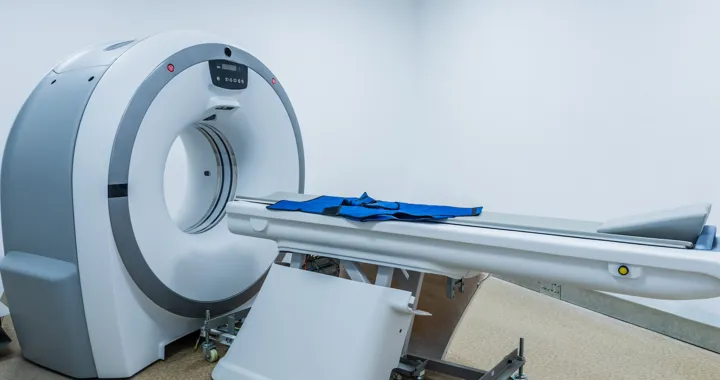
In the medical field, precision is everything, and that precision extends far beyond the operating room. When transporting sensitive medical equipment, the stakes are high. From diagnostic tools and surgical instruments to temperature-controlled devices and imaging machines, these items are not only expensive but also critical to patient care. Any damage, delay, or mismanagement during transport could compromise health services, result in costly repairs, or even invalidate warranties and calibration.
As healthcare expands across regions and into more remote locations, safe and reliable transport has become an operational priority. Here’s how healthcare facilities, logistics professionals, and suppliers can reduce risk when moving sensitive medical equipment.
Table of Contents
Understand the Unique Nature of Medical Equipment
Medical equipment is different from other freight. It may contain:
- Highly fragile components such as lasers, fiber optics, and glass parts.
- Sensitive calibrations that can be thrown off by vibrations or shocks.
- Temperature-dependent elements that need to be kept within a narrow range during transit.
- High monetary and functional value, making them targets for theft or loss.
Acknowledging these factors is the first step toward developing a secure and appropriate transportation strategy.
Use Specialized Packaging and Handling
Proper packaging is your first line of defense. For sensitive medical devices, consider:
- Shock-absorbing foam linings and custom-built crates to protect against impact.
- Anti-static and waterproof materials for electronics and imaging equipment.
- Insulated containers or cold-chain solutions for devices containing biological material or chemicals.
It’s also vital to label equipment accurately with handling instructions such as “This Side Up”, “Fragile”, or “Temperature Sensitive”. These clear markers help couriers treat items with the required care.
Choose Transport Providers with Medical Logistics Experience
Not every courier service is equipped to handle medical equipment. You need transport providers who:
- Understand medical-grade handling standards.
- Offer vehicles with climate control and shock absorption features.
- Have staff trained in handling sensitive healthcare equipment.
- Provide tracking and communication protocols at every step.
One efficient way to source vetted transport specialists is through Shiply shipping services. Their platform connects users with logistics providers who are experienced in transporting delicate and high-value items, including medical equipment. By using Shiply, healthcare organizations can compare quotes, view ratings, and choose carriers with a proven record of safe and timely delivery.
Plan the Route and Timing Carefully
Speed is important in healthcare logistics—but so is predictability. Plan routes to avoid:
- Poor road conditions that could jostle delicate instruments.
- Excessive transit times, especially for temperature-sensitive goods.
- Unnecessary stops or transfers, which increase the chance of damage or misplacement.
If the equipment is needed at a hospital, clinic, or mobile unit for a scheduled procedure, confirm the receiving team’s availability and allow buffer time for setup and testing. Communication between sender and receiver is essential for a smooth handoff.
Insure Every Shipment
Even with the best precautions, things can go wrong. That’s why comprehensive insurance coverage tailored to the shipment’s value and sensitivity is non-negotiable. Look for policies that cover:
- Loss or theft
- Damage during transit
- Delays that result in spoilage or malfunction
Be clear about the terms, including what packaging standards must be followed for claims to be valid.
Utilize Real-Time Tracking
Tracking isn’t just a convenience—it’s a risk-reduction tool. Real-time GPS and milestone notifications allow you to:
- Monitor the item’s exact location.
- Be alerted if there are delays or route changes.
- Prepare your facility for on-time reception and installation.
Some transport providers even offer environmental tracking for temperature and humidity, giving peace of mind when moving climate-sensitive items.
Final Thoughts
In modern healthcare, the efficiency and safety of logistics can be just as critical as the tools and treatments themselves. Reducing the risk in transporting sensitive medical equipment is about more than just care. It’s about planning, partnerships, and choosing the right support systems.
By investing in the right packaging, experienced transport providers, and real-time oversight tools, hospitals and medical professionals can ensure that vital equipment arrives intact, calibrated, and ready to save lives.
 Experience the Power of WellHealthOrganic Laser Technology
  Banged Up, Stitched Up; The untold stories of a prison nurse
  What Medical Conditions Are Eligible for SSDI Benefits?
  Online Pharmacies Canada: Convenience, Safety, and Affordable Medications
  Everything You Need To Know About Microneedling
  Diabetes Control Injection Buy Online
  Depression Isn’t Just Sadness: A Psychiatrist Explains the Difference
  Criminal Defense Firm DCD LAW: A Client-Centered Approach to Protecting Rights
  What Actually Happens During a 200-Hour Yoga Teacher Training
  Why Every Chiropractor Needs Professional Liability Insurance: Lessons from the Clinic